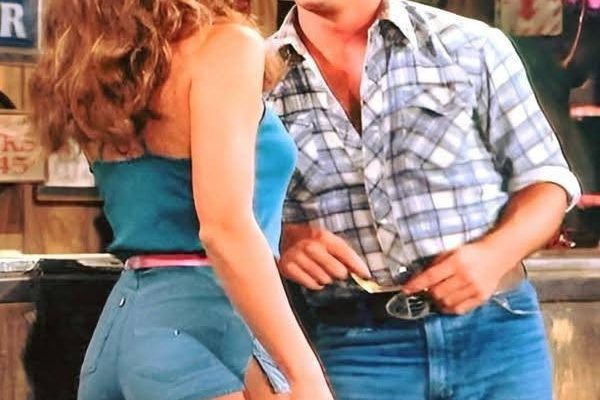
Few classic television shows are as recognizable as The Dukes of Hazzard. With the General Lee flying through the air, Sheriff Rosco chasing the Duke boys, and Hazzard County providing the backdrop for countless adventures, the series became a favorite among viewers. But beneath all the action and comedy were plenty of small mistakes and amusing bloopers that sharp-eyed fans can still spot today.
One of the biggest sources of continuity errors was the famous General Lee. Because the show featured so many crashes, jumps, and dangerous stunts, the production needed multiple Dodge Chargers. Not every car looked exactly the same. Fans can sometimes notice differences in body condition, wheels, suspension, or damage between shots.
The General Lee could also seem to magically repair itself. A vehicle might be badly damaged after a chase, yet a later scene could feature what appears to be the same car looking almost perfect. This was largely the result of using different cars and filming scenes out of sequence.
The spectacular jumps created their own collection of mistakes. The General Lee became famous for launching over ramps, but different camera angles and edited shots could make the vehicle’s position appear inconsistent. A car might take off from one angle and appear to land in a noticeably different position.
Background vehicles provide another fun detail for eagle-eyed viewers. Cars sometimes change between scenes, while police vehicles that had seemingly been destroyed could reappear later. Since the production reused vehicles whenever possible, the same cars occasionally found themselves playing different roles.
Character continuity was not always perfect either. Clothing, hairstyles, props, and even character positions could change between shots. A character might be holding an object in one scene and suddenly have empty hands in the next. Doors could also mysteriously change from open to closed after a quick camera cut.
The show’s famous stunt sequences sometimes revealed the use of stunt doubles. During particularly dangerous action scenes, professional stunt performers often replaced the actors. With fast editing and wide camera shots, this was usually difficult to notice, but freeze the right frame and the difference could occasionally become obvious.
Another amusing detail involves the destruction seen during car chases. Hazzard County seemed to have an almost endless supply of vehicles for Sheriff Rosco and the other characters to wreck. Yet the consequences were rarely permanent. A vehicle destroyed in one adventure could seemingly return in another episode looking completely different—or remarkably repaired.
Because the series was produced before modern digital effects, filmmakers relied heavily on practical stunts, physical props, editing, and clever camera angles. This gave the show much of its authentic charm, but it also meant that small production mistakes were harder to hide.
Some background details can also reveal the realities of filming. Crew members, equipment, or objects that were not supposed to be visible could occasionally appear briefly in the frame. Most viewers would never notice them during the original broadcast, but modern audiences can pause and replay scenes to catch details that went unnoticed decades ago.
These mistakes do not necessarily take away from the show’s entertainment value. In fact, they have become part of the fun for longtime fans. Watching The Dukes of Hazzard today can feel like a game of “spot the blooper,” with viewers looking for changing cars, continuity errors, visible stunt doubles, and impossible repairs.
Ultimately, the imperfections are a reminder of how television was made in that era. The producers had to create spectacular action with real cars, real stunts, and limited technology. The result was not always flawless—but it was energetic, memorable, and entertaining.
For fans, discovering these little-known mistakes adds another layer of enjoyment to a classic series. The next time you watch an episode, keep your eyes open. You might notice something that was hiding in plain sight all along.